

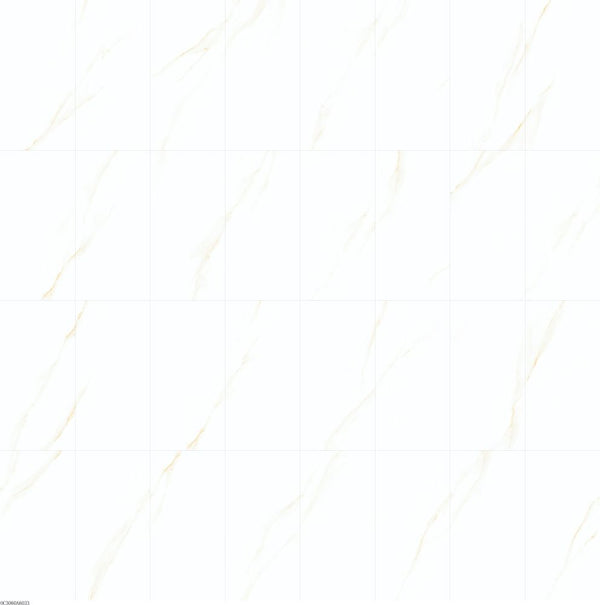
Reves Perle 24x24 Matte Marble Look Porcelain Tile24x24 · Matte · Rectified$10.55/sq ft$122.70 per box
Shower Floor Tile
Shower floor tile has to grip when wet and follow a floor that slopes 1/4 inch per foot toward the drain. Check for DCOF 0.42 or higher first. Then pick a small format, such as a mosaic, penny round, hexagon or pebble sheet, because small pieces bend with the slope and their grout joints add traction.
- Shower floor tiles
- 329
- Price per sq ft
- $2.05 to $66.69
- Rectified edges
- 283
- Samples
- $4.99




Sizes compared
From our 329 shower floor tiles. Prices are per sq ft.
| Size (in) | Tiles | From | Typical |
|---|---|---|---|
| 12x24 | 172 | $2.05 | $8.75 |
| 24x24 | 55 | $3.55 | $8.45 |
| 2x2 | 28 | $15.35 | $40.05 |
| 16x24 | 8 | $9.95 | $9.95 |
| 8x8 | 8 | $6.05 | $10.50 |
| 16x16 | 4 | $9.05 | $9.95 |
| 3x3 | 3 | $48.75 | $48.75 |
| 1x6 | 3 | $50.05 | $50.05 |
How to choose shower floor tile
A tile shower floor is only as safe as its slope and surface, and the drain sets the largest tile you can use.
- Center drain. The floor slopes in from every side, forming a shallow funnel. Small pieces, roughly 2-inch mosaics and smaller, follow those changing angles most easily; larger tiles need extra cuts and risk raised edges.
- Linear drain. The floor slopes in one plane toward a wall or the entry, so larger tile can work, and a curbless walk-in can carry the bathroom floor tile straight through. Once any edge reaches 15 inches, the tile counts as large format and wants a flatter base.
Next, confirm grip: the DCOF 0.42+ filter (ANSI A326.3) is the starting line, and among tiles that pass it, matte, honed or textured faces usually grip better than glossy ones. Glossy glass and polished marble mosaics photograph well but turn slick; use them only if the listing approves them for shower floors.
Then weigh grout against cleaning. Penny rounds and pebble put the most grout underfoot, which means more traction and more scrubbing. Epoxy grout resists stains better than cement grout but is harder to apply; sealed cement grout is the easier DIY route.
Last, think about upkeep. Pebble and marble need a sealer, and marble also dulls wherever an acidic cleaner touches it.
Mosaics are sold by the sheet, each close to a square foot, so count sheets rather than pieces and add about 10% (about 15% for natural stone). Pair the floor with shower tile for the walls, compare chip sizes on the mosaic tile page, and see bathroom tile if the floor continues past the shower.
Questions
Best tile for a shower floor?
Porcelain mosaics about 2 inches or smaller, with DCOF 0.42 or higher, are the safest default for a shower floor. They follow the slope to the drain, their joints add grip, and porcelain shrugs off constant water. Natural stone pebble and honed marble also work if you accept regular sealing. Large tile only suits floors built around a linear drain.
What DCOF does a shower floor need?
At least 0.42 on the ANSI A326.3 test. That is the general minimum for indoor floors people walk on wet, and a shower floor is wetter than most, so pair the rating with a matte or textured finish and small tiles that add grout lines. Avoid polished stone and glossy glass unless the listing approves them for shower floors.
Which grout is best for a shower floor?
Epoxy grout resists stains and mildew best, while sealed cement grout is the easier DIY route. Shower floors put a lot of grout underfoot, especially with penny rounds and pebble, and that grout stays wet longer than wall joints. If you choose cement grout, seal it once cured and reseal when water stops beading; epoxy needs no sealer but sets fast.
How do you tile a shower floor?
Build the slope and waterproofing first, then tile. The mortar bed or foam pan must fall 1/4 inch per foot to the drain, with a waterproof membrane tied into the drain. Dry-lay the mosaic sheets to plan cuts around the drain, set them in thinset, press them flat, then grout and clean off the haze. If you have never built a shower pan, hire out that step.
What are good walk-in shower floor tile ideas?
Use a linear drain if you want the bathroom floor tile to run straight into a curbless walk-in shower. Its single-plane slope lets larger matte porcelain continue without a break, as long as it meets DCOF 0.42 or higher. With a center drain, switch to a small hexagon or penny round inside the shower and let the pattern change mark the wet zone.
Are pebble tiles good for shower floors?
Yes, if you are happy to maintain them. Pebble sheets give strong grip and a massage-like feel underfoot, but they use a lot of grout, the uneven surface takes longer to clean, and natural stone pebbles need sealing. Flat-cut pebble, where the stones are sliced to a level face, is easier to stand on and easier to set evenly than whole rounded stones.
How much does shower floor tile cost?
Shower Floor Tile at Sara Zoha runs from $2.05 to $66.69 per square foot, tile only; half of the 329 styles fall between $7.75 and $10.55. Tile sold by the box covers about 12 sq ft per box, so the per-box price is roughly $113.40 for a mid-priced style. Every product page shows both prices and a calculator that rounds your room up to whole boxes.
What sizes does shower floor tile come in?
The most common sizes here are 12x24 (172), 24x24 (55), 2x2 (28), 16x24 (8), 8x8 (8) and 16x16 (4) inches. Thickness runs from 6.5 to 10.5 mm. Larger formats mean fewer grout lines but need a flatter floor; small formats and mosaics follow curves and shower slopes.